Afghanistan
Central Asia · 60 on the shelf · 40 read
Context
The first country of the project. It was read for far longer than any other will be: the method was being worked out on it. An exception, not a template.
Stop criterion
When the last book read stops surprising me — when, picking up a new author, I already know whom they will argue with and on what point.
Not there yet: Ghobar and Khalili both surprised me.
Voices still missing
- Hazaras — not a single voice, even though Emir Abdur Rahman's Hazara wars of the 1890s are one of the sources of the modern rift.
- The Uzbeks and Turkmens of the north.
- Twentieth-century poetry: between Sanai (12th c.) and today's landays lies a gap of 800 years.
- Pre-Islamic Afghanistan: Bamiyan, Gandhara, Balkh.
- Herat and high Persianate culture.
- Afghan history written by an Afghan — Ghobar in progress.
Open questions
- If two Afghan historians cannot agree on 1929, on what grounds do Barfield and Dalrymple agree?
- Why was Ghobar's History of Afghanistan banned by the Afghan government rather than the British one?
- How much of a country reaches me through intermediary languages, and is there a book that arrives without a frame?
- And isn't the project itself doing what an outside observer does, only more slowly?
Texts (12)
Есе про листування з Майвандом Банайї та дозвіл Icon Books на український переклад розділів 8–10 (~8 000 слів).
Headline and link confirmed from the English edition. Subtitle: "From the black banners of the emirs to the white flag of the Taliban: the history of Afghanistan in colours". Publication date not recovered: the export has no posts.csv. Ukrainian slug: 0e8.
Headline and link confirmed from the English edition. Subtitle: "How the story of one Afghan family can tell you more about the country than dozens of books about wars, politics, and foreign invasions". Publication date not recovered: the export has no posts.csv. Ukrainian slug: db1.
Headline and link confirmed from the English edition. Subtitle: "How the Great Game between two empires left Afghanistan with a narrow corridor stretching all the way to China". Publication date not recovered: the export has no posts.csv. Ukrainian slug: 716. About the Wakhan Corridor — not tied to a single book.
Headline and link confirmed from the English edition. Subtitle: "What the history of the British invasion of Afghanistan tells us about all the wars that followed". Publication date not recovered: the export has no posts.csv. Ukrainian slug: 005.
Headline and link confirmed from the English edition. Subtitle: "Qais, King Saul, the mysterious Afghana — and one of the most remarkable legends about the origins of the Pashtuns". Publication date not recovered: the export has no posts.csv. Ukrainian slug: 355. Grew out of Niʿmat Allah's History of the Afghans.
Headline and link confirmed from the English edition. Subtitle: "From the story of a man who nearly joined the Taliban to a broader conversation about books, culture, and other people's experience". Publication date not recovered: the export has no posts.csv. Ukrainian slug: 7aa. This is the essay about Maiwand Banayee's memoir.
Headline and link confirmed from the English edition. Subtitle: "How the 'Afghan Girl' photograph turned a real person into a symbol of Afghanistan — and what we actually see in her gaze". Publication date not recovered: the export has no posts.csv. Ukrainian slug: 831. No book linked: the text is about a photograph, not an edition.
Headline and link confirmed from the English edition. Subtitle: "On My Pen Is the Wing of a Bird — short fiction by Afghan women, where writing becomes a way to reclaim voice, dignity and the right to be heard". Publication date not recovered: the export has no posts.csv. Ukrainian slug: e1e.
Headline and link confirmed from the English edition. Subtitle: "Jenny Nordberg's book uncovers the unsettling practice of bacha posh — and a much larger story about patriarchy, control over women's bodies, and the price of a brief taste of freedom". Publication date not recovered: the export has no posts.csv. Ukrainian slug: 735.
Headline and link confirmed from the English edition. Subtitle: "A literary dispute in which cultural tradition collides with human dignity". Publication date not recovered: the export has no posts.csv. Ukrainian slug: 3fc.
Headline and link confirmed from the English edition. Subtitle: "The anonymous, piercing voices of Afghan women". Publication date not recovered: the export has no posts.csv. Ukrainian slug: 277.
The shelf
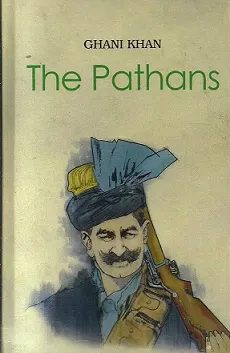
Pashtunwali from the inside, with self-criticism.
A Pashtun writing about Pashtuns in English, ironically and without flattery. The son of Abdul Ghaffar Khan.
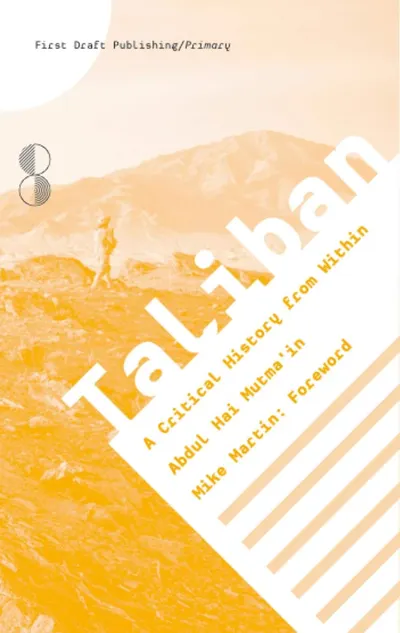
An attempt at criticism of the movement from within — paired with Zaeef.
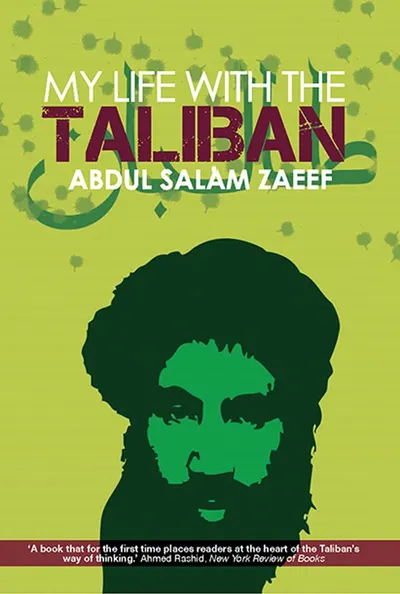
The movement tells its own story, in the first person.
Written in Pashto, but translated and edited by Western scholars for a Western reader. The book's apparatus does not belong to the author.
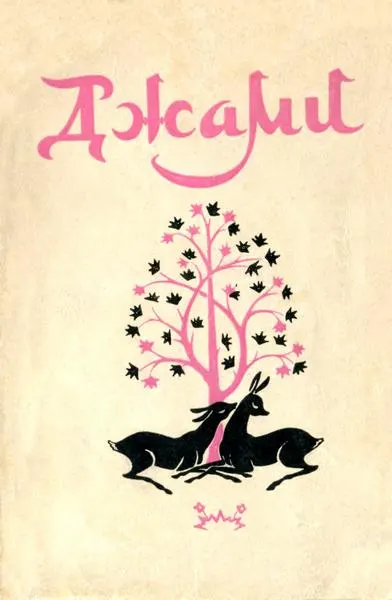
Herat and the high Persianate culture — a whole gap on the shelf.
Soviet selection and commentary.
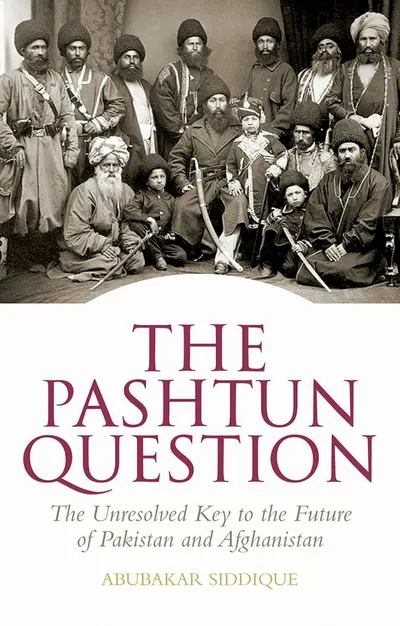
Pashtuns on both sides of the Durand Line.
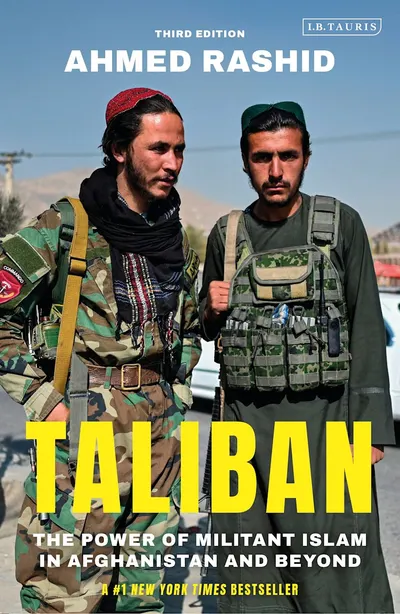
An analytical view of the movement from outside, paired with Zaeef and Mutmain.
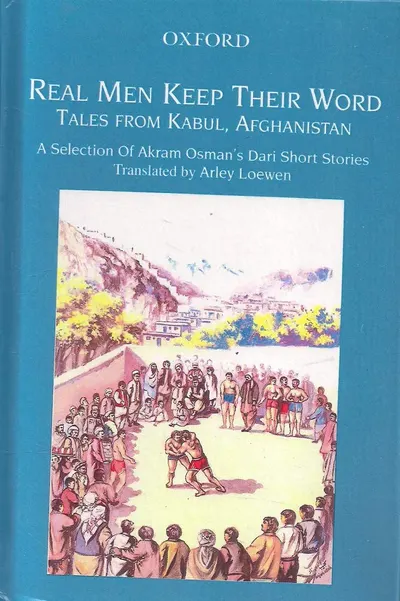
Mid-century Kabul from the inside, before the catastrophe. The closest thing to the “golden age” that the shelf holds.
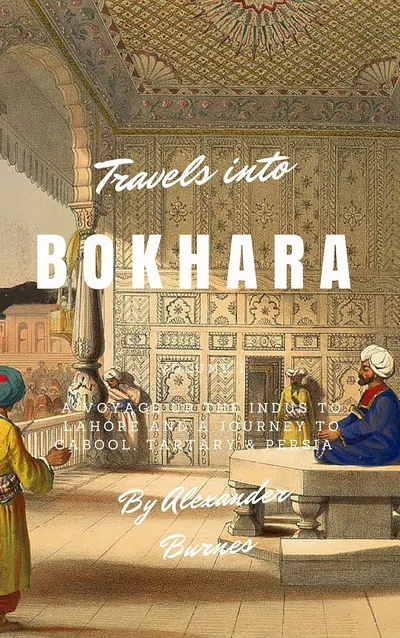
To reread Dalrymple from the inside, through the eyes of one of his characters.
A British intelligence officer, killed in Kabul in 1841; his death set off the war Dalrymple writes about.
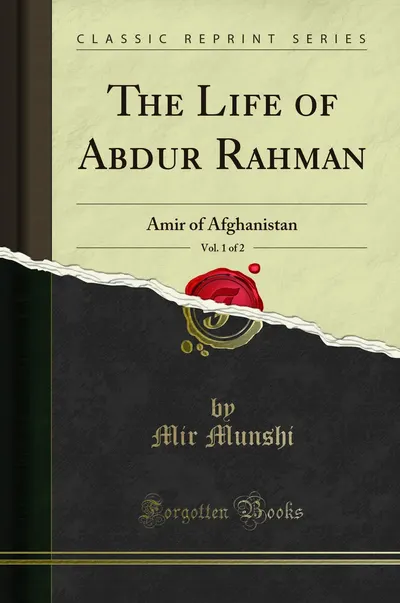
The man who waged the Hazara wars and conquered Kafiristan, in the first person. Not an appendix to Robertson, but the cause of two gaps on the shelf.
Dictated and edited for the London edition of 1900.
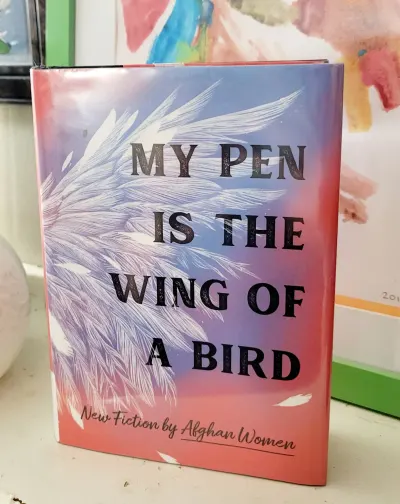
Contemporary prose by Afghan women, where the act of publishing is itself a risk.
Stories in Dari and Pashto, selected and translated by a British literary initiative. Some of the authors write under pseudonyms.
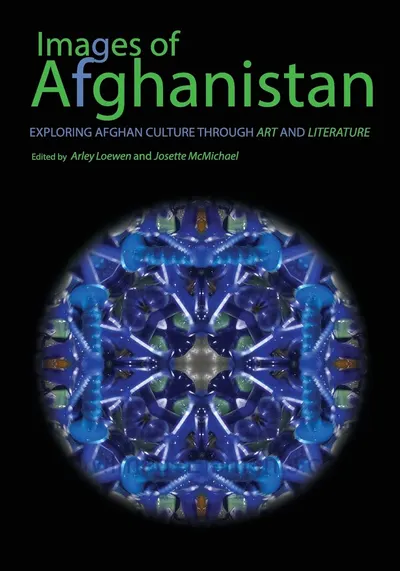
Culture through art and visual imagery — the only visual entry on the shelf.
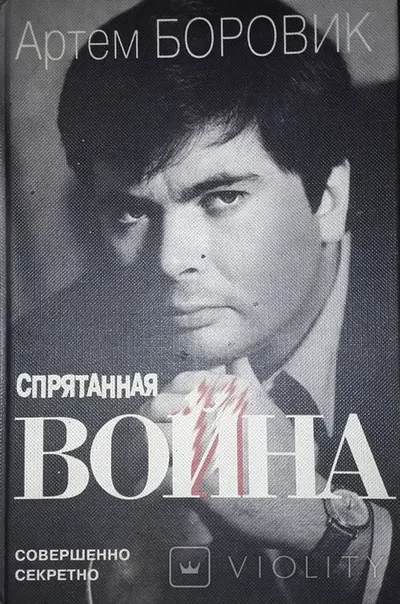
The Soviet war from the inside, paired with Yousaf and Adkin.
A Soviet journalist writing about his own army in someone else's war — a view from inside the empire, not from inside the country.
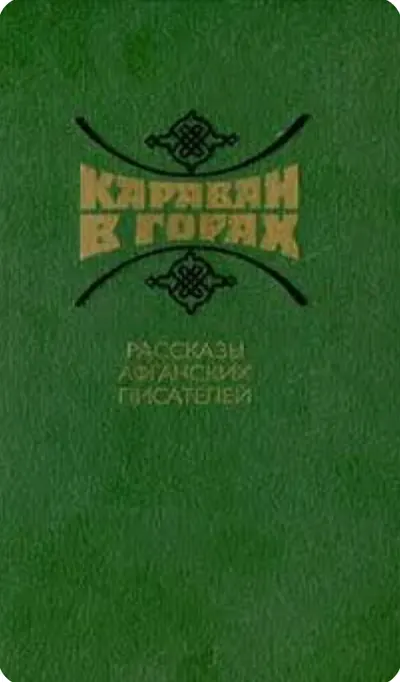
Afghan writers in a selection made in Moscow during the occupation.
A Soviet publisher selected and translated Afghan prose at the height of its own war in Afghanistan. Some of the authors (Arghand, Anzor) also appear in the 2018 Kabul anthology — a direct field for comparison.
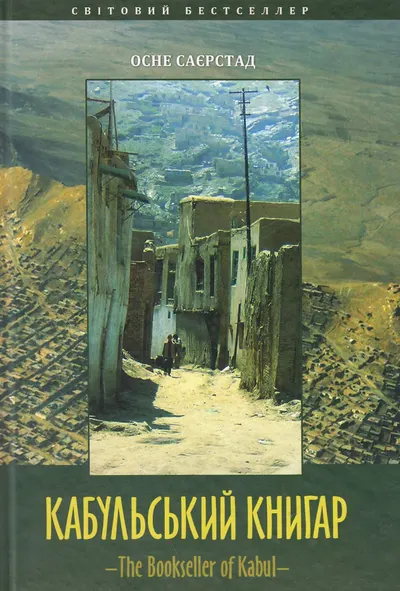
Five months inside somebody else's family. To be read together with Rais, without exception.
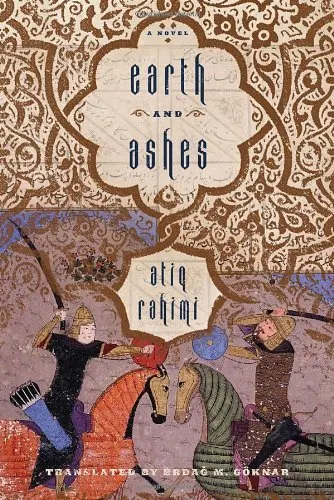
The Soviet war through a single wait at a checkpoint barrier.
Written in Dari already in exile in France. The author later switched to French.
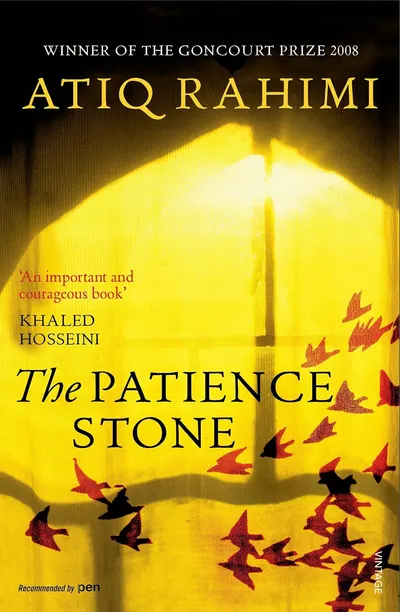
A woman says to a motionless man everything she could not say before.
An Afghan writes in French and wins the Prix Goncourt. It also reached the reader through a Russian translation — two intermediary languages.
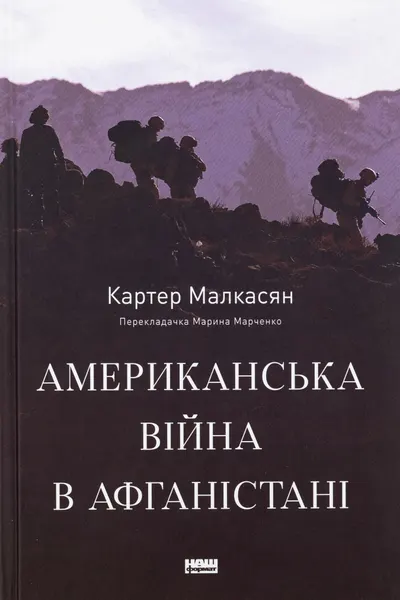
Twenty years of American presence through the eyes of an adviser who was there.
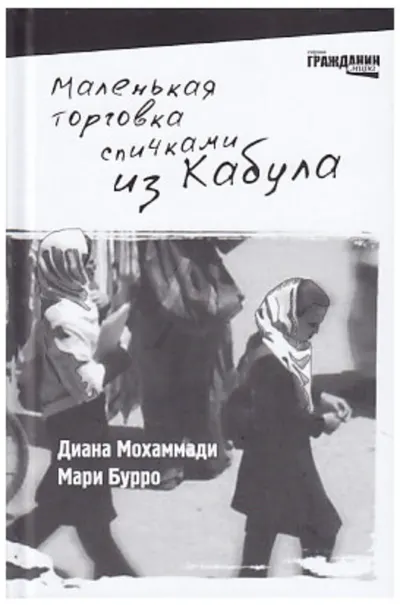
Child labour and survival in everyday Kabul life.
The voice of an Afghan girl, recorded by a French journalist. How much of it belongs to the girl and how much to the co-author is an open question.
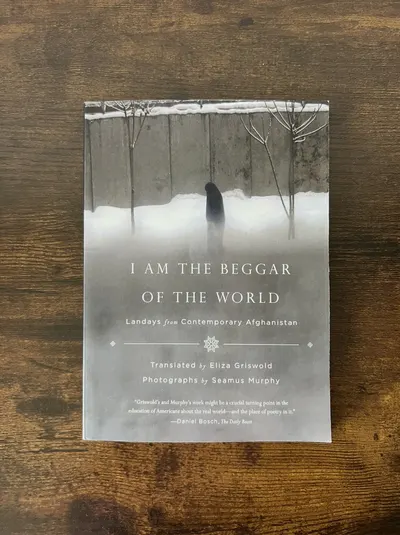
Two lines as the only available space of freedom.
An American poet records and translates an anonymous women's oral form. The same form was described and translated earlier by Saduddin Shpoon — a direct pair.
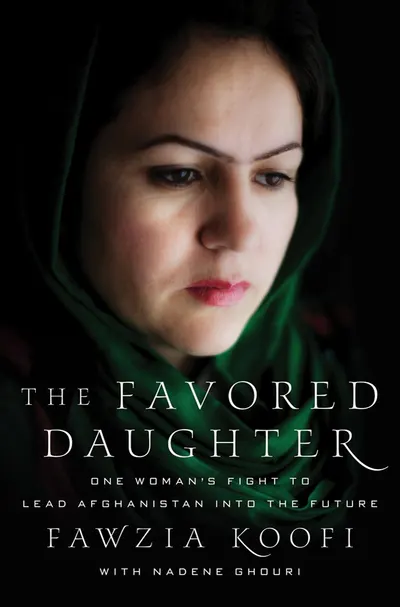
A named woman with institutional power, writing from inside parliament — the register the shelf's other women's voices never had.
Palgrave Macmillan / St. Martin's Press, 2012. ISBN 9780230120679. Written with the British journalist Nadene Ghouri. 272 pages. Published under variant titles in different markets (Letters to My Daughters in some editions) — worth checking which text is which. No Ukrainian translation.
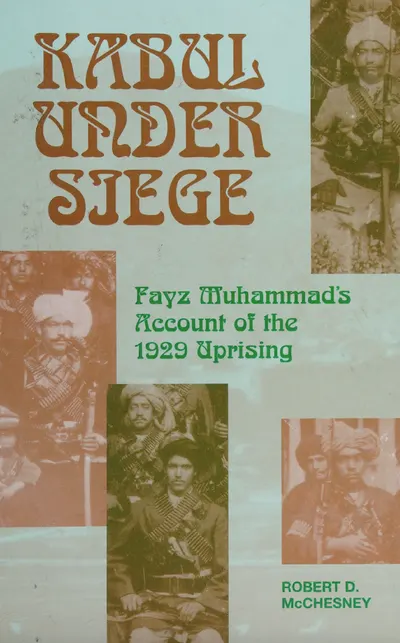
The only eyewitness journal from inside the 1929 siege — written against Kalakani, by a Hazara loyal to the dynasty he displaced.
Original: Kitab-i tazakkur-i inqilab, written during the events of 1929 and published long afterwards — 1929 here is the date of writing, not of publication. This edition: Markus Wiener Publishers, Princeton, 1999, in the Princeton Series on the Middle East, translated, abridged, re-worked and annotated by R. D. McChesney, a Central Asia specialist. ISBN 1-55876-155-1 paper. The copy in hand is an Internet Archive scan of the print edition, 328 pages. McChesney's note on transliteration indicates the text reached him via a Cyrillic edition.
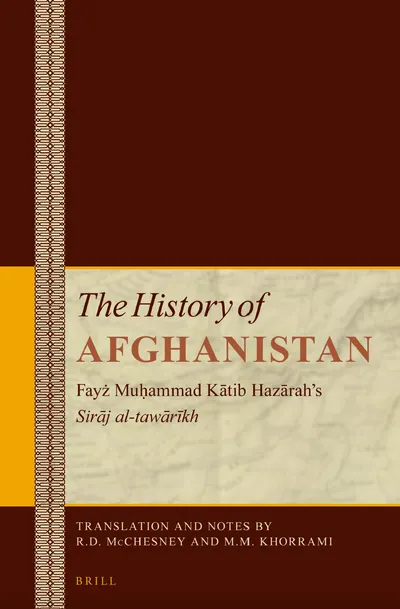
The state's own chronicle, with the state's own deletions restored in italics — a reference spine, not a book to read through.
Brill, Leiden and Boston, 2013. Six-volume set, 3181 pages. ISBN 978-90-04-23491-8 (set). Volume 1 translated by R. D. McChesney alone; volume 3 with M. M. Khorrami. McChesney began the translation in 1967 as a Fulbright student in Kabul and published it forty-six years later. The edition restores, in italics, text omitted or censored from the Kabul edition of the original. Composition date of the Siraj itself still to be filled in from the introduction.
A description of a culture a few years before it was destroyed.
The author was in Kafiristan in 1890–91. Abdur Rahman conquered it in the winter of 1895–96, converted it by force and renamed it Nuristan.
The beginning of Persianate mystical poetry in Khorasan, out of Ghazni.
He learned Pashto and Dari in order to listen to intercepts from a combat aircraft. A pair for Shpoon: one writes in the language, the other intercepts it.
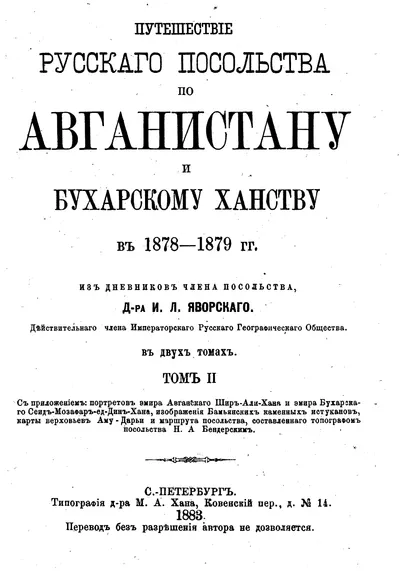
Two volumes from 1882 — a source to consult, not to read cover to cover.
The diaries of a member of the Russian embassy of 1878–79, on the eve of the Second Anglo-Afghan War. A Russian imperial lens.
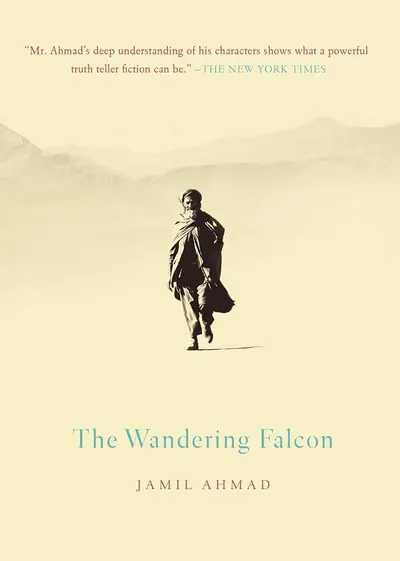
Nomads and borders in fictional form, paired with Ghani Khan and Rzehak.
The author was a Pakistani official who administered the tribal territories. A fictional interpretation of Pashtunwali, written by an administrator.
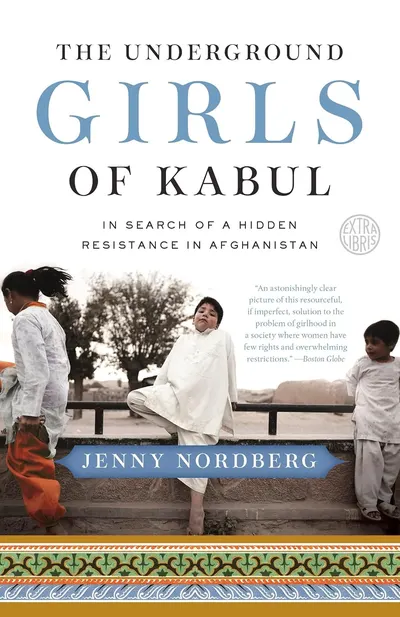
“Bacha posh”: a girl whom the family publicly passes off as a son.
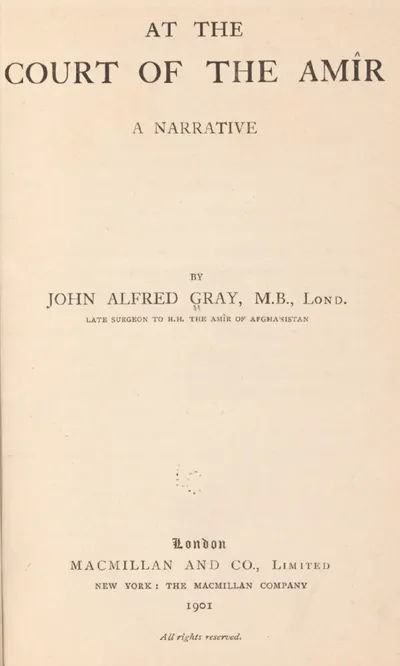
The Amir's doctor sees Hazara slaves sold in the market and explains away the cruelty of the man he serves. A pair for Abdur Rahman's own Life.
An English surgeon in the Amir's service from 1889, at court during the Hazara war. First edition Macmillan, 1895; the copy on hand is the 1901 second edition, scanned by the Library of Congress.
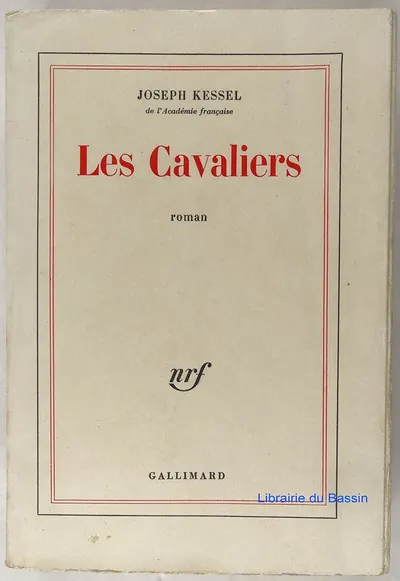
Buzkashi as Western adventure. Its pair is Whitney Azoy's anthropological study of buzkashi.
The very genre for which Michener was turned down. If it is to be read, then knowingly and with a stated reason.
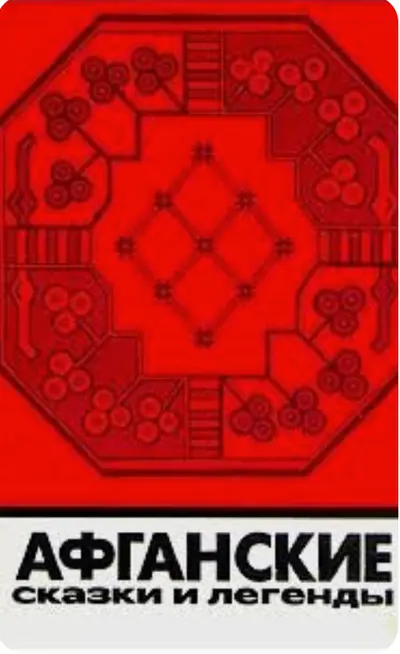
Oral tradition from before the war, but already in imperial wrapping.
A Soviet folklore series from 1972: the selection and the commentary belong to Moscow.
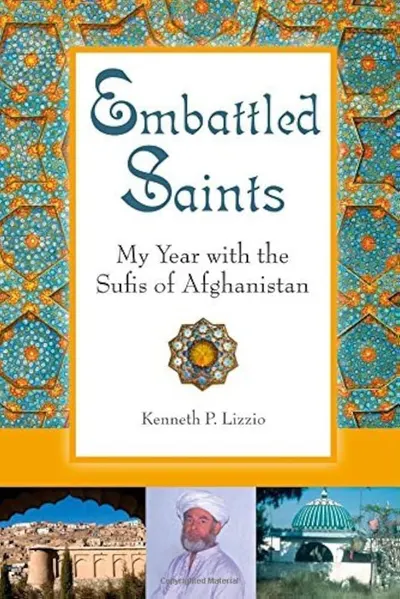
A year among Naqshbandi Sufis on the border. Fieldwork, not history.
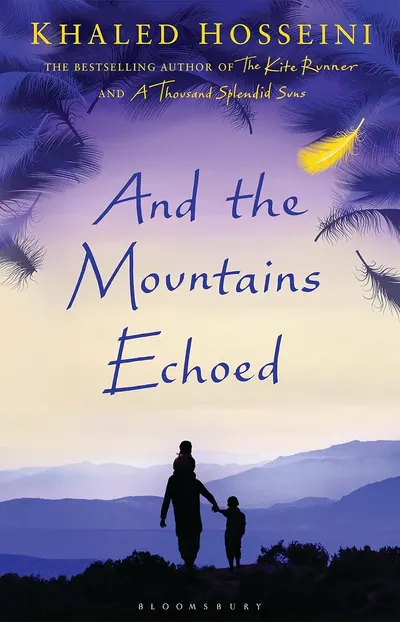
To read the best-known Afghan author all the way through.
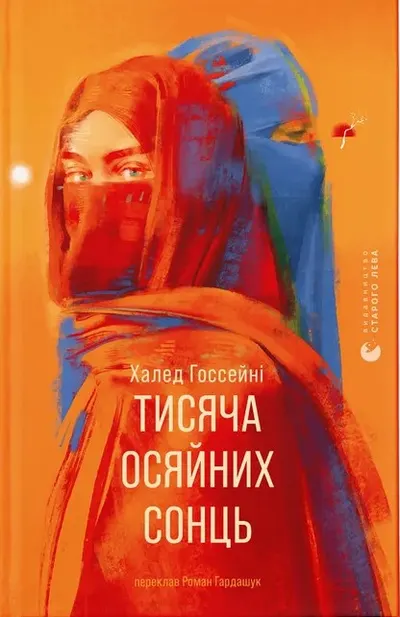
A woman's fate in Afghanistan through two biographies, run through the Western novel format.
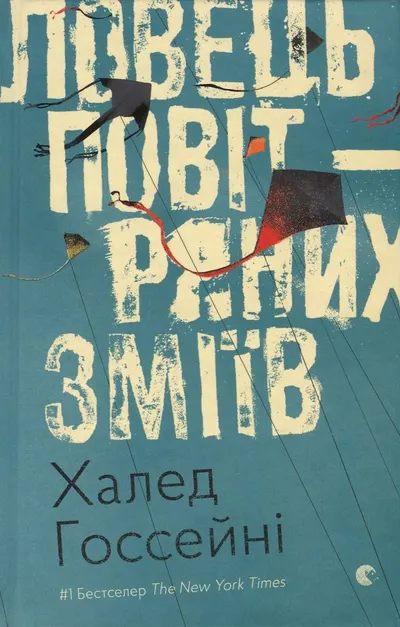
The most famous Afghan book in the world. The Pashtun–Hazara rift as its central plot.
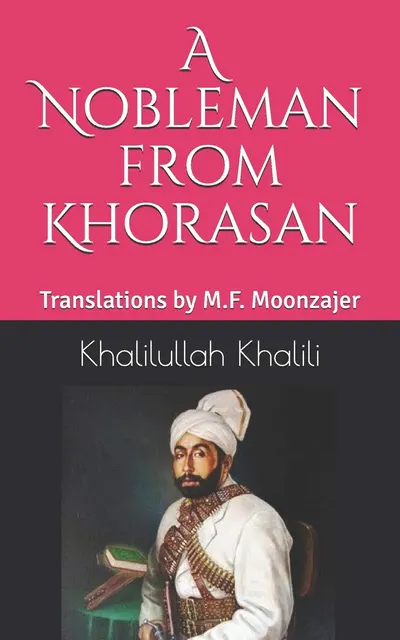
The only sympathetic account of the Tajik king of 1929, written by a man who served him — the Tajik side of the argument about who Afghanistan belongs to.
Original: 'Ayyari az Khorasan: Habibullah, khadim-e din-e Rasulullah, published in Pakistan in 1983 during the anti-Soviet resistance. Khalili (1907–1987) was a Tajik from Kabul province, Afghanistan's foremost 20th-century poet, a historian and royal confidant, and a minor official during Kalakani's nine months in 1929; he died in exile in Islamabad. This English edition: translated by M. F. Moonzajer, self-published 2019, 169 pages, ISBN 9781797991061, Kindle edition bought from Amazon. Reviewers consistently call the translation literal and unedited.
Closes two gaps at once: twentieth-century poetry and a northern voice against Ghobar.
The Octagon Press, London, 1981 — the publishing house of Idries Shah. The collection is dedicated to him personally, and the catalogue offers Sufi classics to the Western seeker. A trilingual edition; the OCR destroyed the Persian and the Arabic.
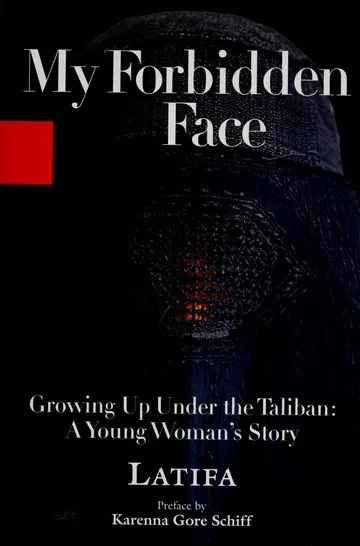
The first wave of Western interest in Afghan women after 2001.
The testimony of an Afghan woman, co-written for the French market at the peak of attention to the subject. A Russian translation followed.
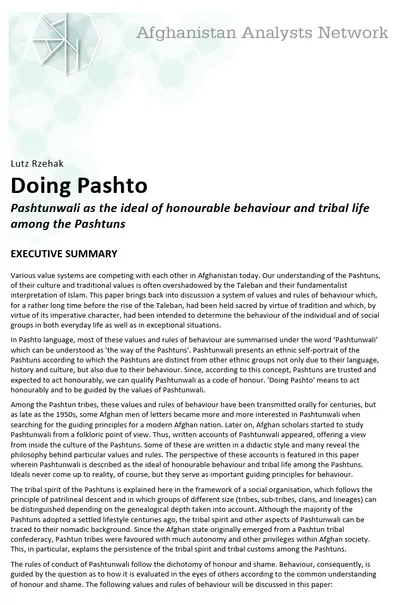
A German scholarly counterweight to Ghani Khan. To consult, not to read through.
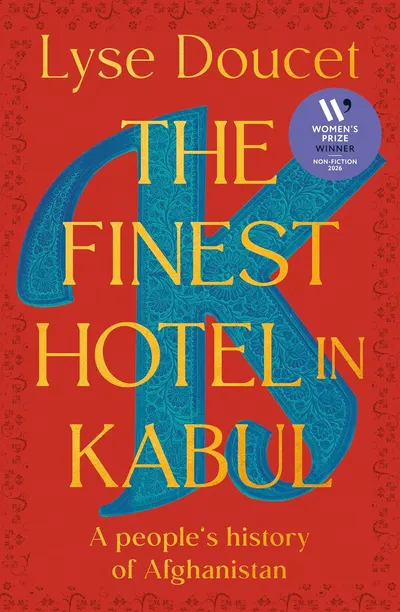
The history of a country through a single hotel: who checked in and who left. This is where the dig about Safia Tarzi came from.
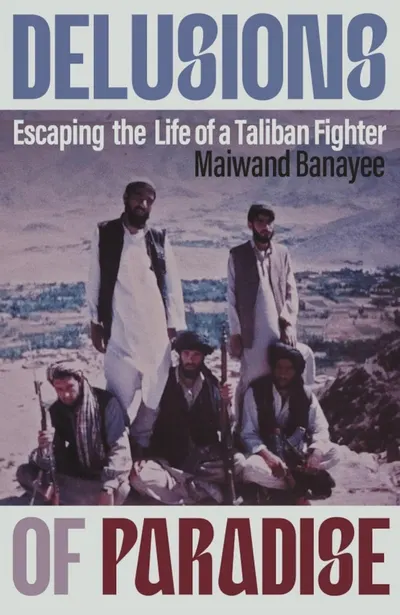
The road into radicalism and back out again. The only book on the shelf whose author answered a letter.
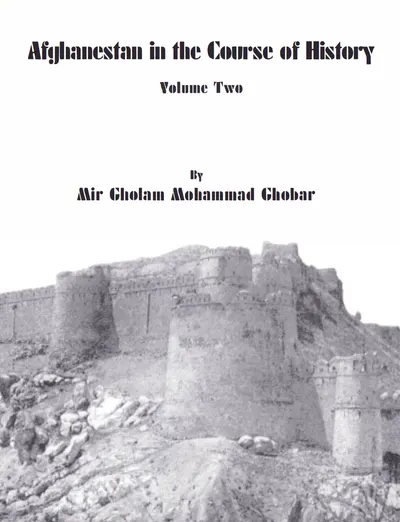
Afghan history written by an Afghan and banned by the Afghan state. A counterweight to Barfield and Dalrymple.
The print run was confiscated in Kabul in 1967. The Persian edition was published by the author's son in 1999, the English one by Sherief Fayez in 2001 in Virginia. Digitised in 2018 by a Kabul publisher with a sharply anti-American foreword. An anti-British book in anti-American wrapping. Volume one does not exist in English.
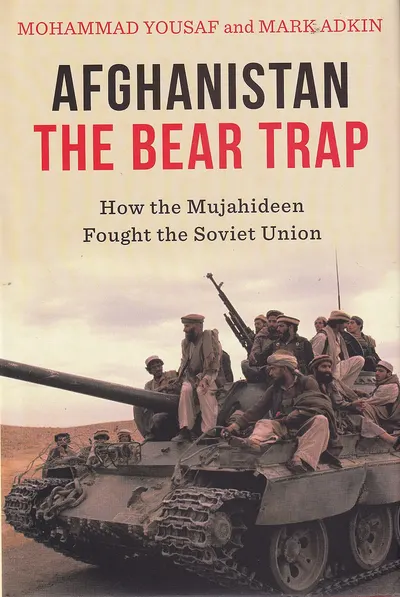
The same war through the eyes of Pakistani intelligence.
A Pakistani intelligence officer writing with a British military co-author: Afghanistan as the theatre of somebody else's operation.
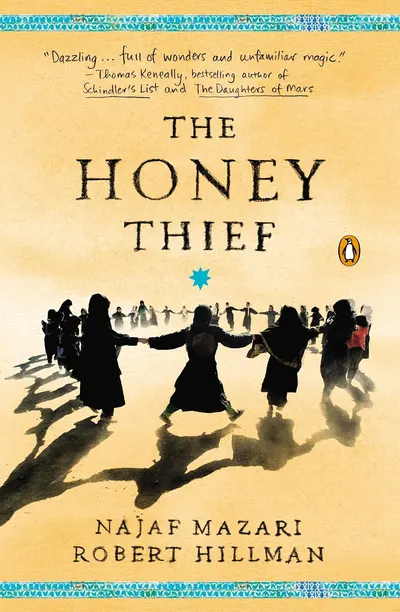
A Hazara voice telling the country as folklore rather than as war reporting — and telling it from exile, in someone else's language.
First published by Wild Dingo Press (Australia) in 2011, then Viking Penguin in the US the same year; Penguin Books paperback 2014, ISBN 9780143125396. Mazari's second book with Hillman after The Rugmaker of Mazar-e-Sharif. The working method is part of the book: Mazari tells the stories aloud, Hillman shapes them into English sentences, Mazari checks them back.
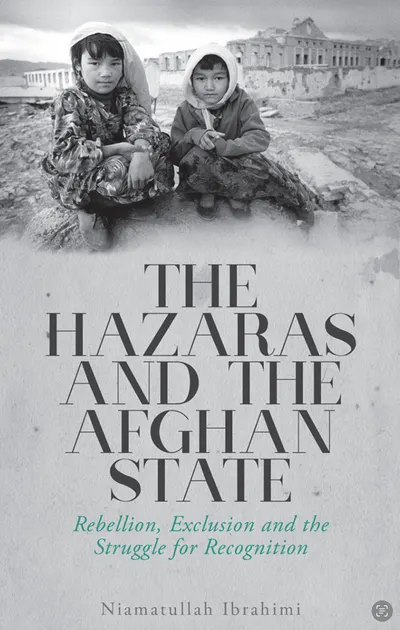
The first book on the shelf that directly closes the Hazara gap.
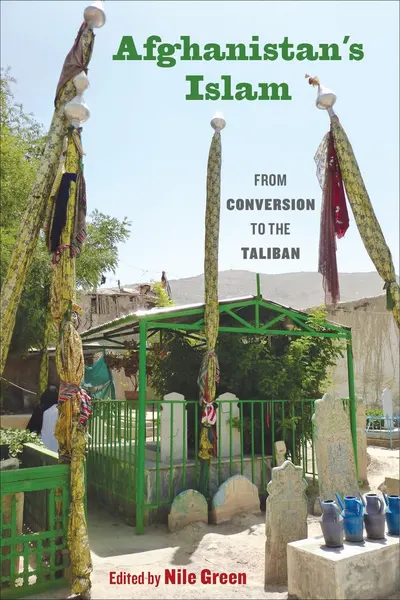
The only book about Islam that is specifically Afghan, from conversion to the Taliban. Core, not optional.
A seventeenth-century chronicle that traces the Pashtuns back to the ancient Israelites through the forefather Qais.
Written in Persian in India for a Persian-speaking court. It reached English through a nineteenth-century British orientalist translation.
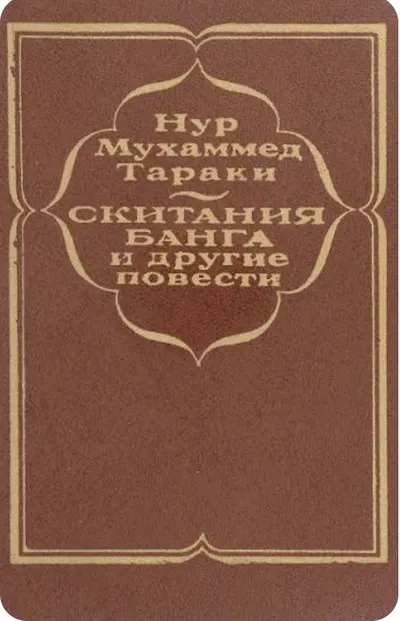
A bad book and a striking object: fiction by a future president, written twenty years before he took power.
A Russian translation of the prose of the man the USSR brought to power, and whose death became the pretext for the invasion.
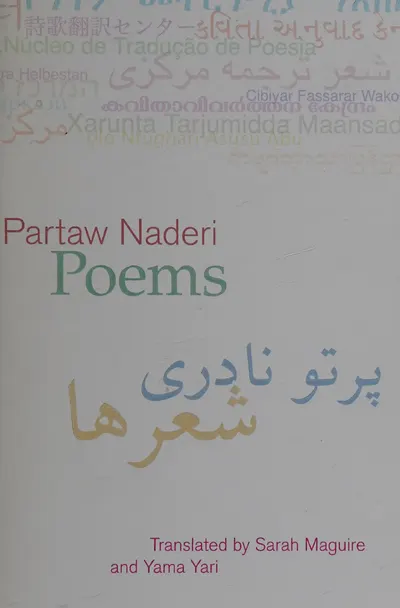
The only modern free verse on the shelf, and one of the few voices from inside whose datelines stay in Kabul and Peshawar rather than in the West.
Enitharmon Press in association with the Poetry Translation Centre, London, 2008. ISBN 978-1-904634-81-2. Translated from the Dari by Sarah Maguire and Yama Yari, with an introduction by Maguire; supported by Arts Council England. Bilingual, Dari facing the English. Ten poems over 31 pages, cover price £4. Five of the poems had appeared in Poetry Wales. The poems themselves are dated 1989–2002 — the 2008 date is the English selection, not the writing.
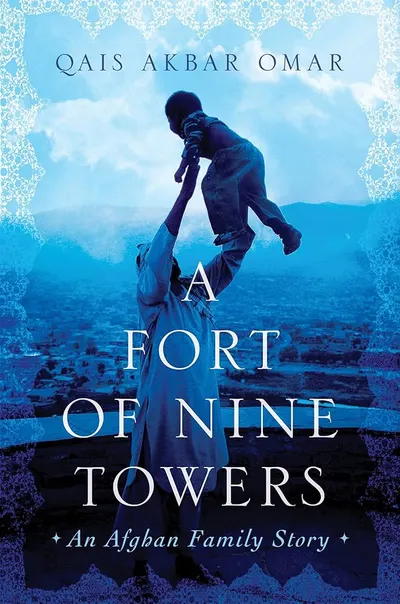
Big history as a sequence of one family's decisions, not a chronology.
Islam as a system, not as news. Not about Afghanistan, but about the grammar without which the rest of the shelf is read only on the surface.
The only book on the shelf with no intermediary. It reads like a notebook, not like a translation.
Shpoon (1933, Khanabad — 2017) gave the landay its technical description and translated it into English himself. “Shpoon” is a pen name and means “shepherd”. The novel itself was self-published through CreateSpace on 12 April 2011, 164 pages: between the author and the text there is no publisher, no editor and no translator.
A third version of the landay — by an Afghan who was probably killed for it.
An Afghan philosopher, murdered on 11 February 1988. He was collecting the same form as Griswold, thirty years before her.
The subject of someone else's book answers with a book of his own. He appeals to melmastia — hospitality as an obligation.
Written in English from the start, in order to reach the very audience that had read Seierstad.
A Hazara woman writing her own life from inside the state she tried to build — the gap the rest of the shelf kept leaving open.
Random House Canada, 2024; also published by SAQI Books in the UK. Written with the Canadian journalist Sally Armstrong, who is credited as interviewer in the ebook metadata — the book grew out of years of correspondence and conversation. Shortlisted for the 2024 Moore Prize for Human Rights. ISBN 9781039007079. No Ukrainian translation.
A woman's voice from the same generation, written in Kabul during the occupation.
Éditions de l'Aube, pocket edition 2001, translated by Didier Leroy. The cover shows women in burqas, photographed by Roland and Sabrina Michaud, with a quote from Elle on the back.
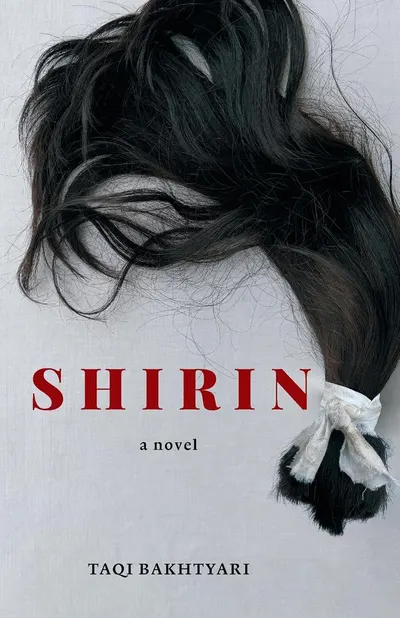
The same community as The Honey Thief, told as testimony instead of folklore — the two books contradict each other on purpose.
Palaver, Sydney, 2026. ISBN 9780645588194. Bakhtyari is from Hazaristan in central Afghanistan; he studied journalism at Balkh University in Mazar-e-Sharif and edited the Kabul weekly Negah-e-Naw. In Sydney since 2014, with a creative writing degree from Western Sydney University. Two novels and seven short stories published in Persian; Shirin is his English-language debut. No Ukrainian translation.
Long stretches of stable governance against the myth of an ungovernable country.
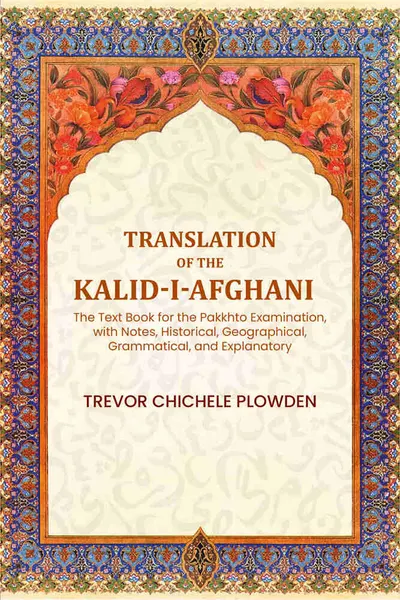
A third point of access to the language: turning it into an instrument of administration.
A colonial Pashto primer compiled by a British officer for administrators. Here the odes of Rahman Baba and Khushal Khan Khattak serve as teaching material.
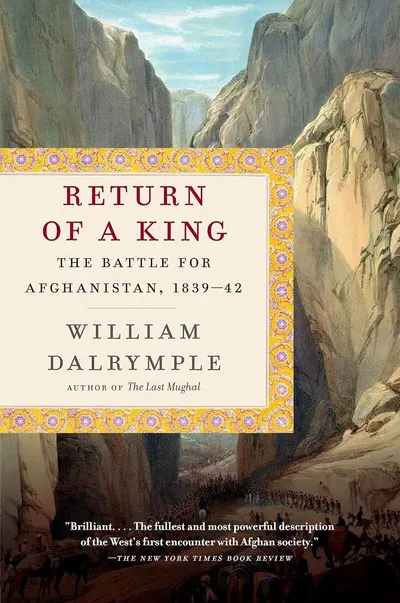
The First Anglo-Afghan War from primary sources. It contradicts Barfield on the “graveyard of empires”.